
If you are considering peptide support for recovery and tissue maintenance, you may want to explore the option to Buy BPC-157. I work as a sports recovery consultant helping recreational athletes and physically active professionals manage soft tissue stress and chronic exercise-related discomfort. Most of the people who contact me are not looking for dramatic performance enhancement but rather want their body to feel more resilient after training or physical work.
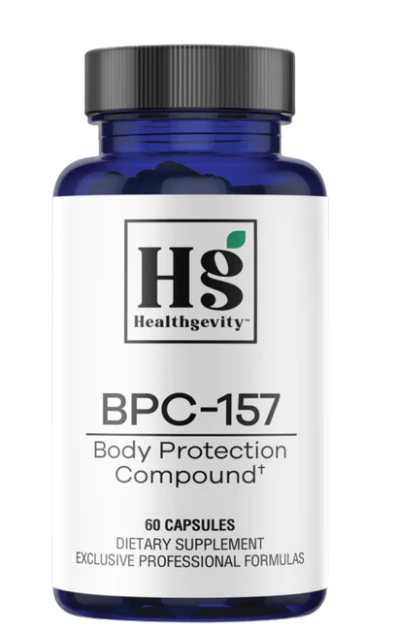
My interest in BPC-157 started after working with a construction supervisor who developed persistent wrist strain from handling heavy equipment controls throughout the day. He had already invested several thousand dollars in therapy sessions and joint supplements without seeing consistent improvement. When I first explained peptide-based recovery signaling, I told him honestly that healing support takes time and is rarely noticeable within the first week.
In my experience, BPC-157 tends to work best as a recovery facilitator rather than a direct pain suppressor. I remember a recreational swimmer who came to me complaining about shoulder stiffness after long training sessions. She expected the discomfort to disappear quickly once she started peptide use. After about two weeks, she became worried because the soreness was still present during intense strokes. I asked her to track functional changes instead of focusing solely on pain sensation. By the second month, she told me she could complete longer swimming sets with less post-session fatigue, even though occasional tightness still occurred.
One mistake I often see is using peptides as a substitute for correcting training mechanics. A middle-aged marathon enthusiast once insisted on increasing weekly mileage even though his knee pain was recurring. He believed peptide supplementation would protect his joint tissue regardless of workload. I advised him to slightly reduce running distance and incorporate strengthening exercises for the surrounding muscles. Over time, his response to recovery support improved noticeably.
Consistency matters more than aggressive dosing patterns. Early in my consulting work, I had a client who increased his peptide dosage after reading online discussions claiming faster healing with stronger amounts. Instead of improvement, he experienced mild sleep irregularity and unusual daytime fatigue for a few days. When he returned to a stable, moderate dosing schedule, those symptoms gradually disappeared. That experience reinforced my belief that biological systems prefer gradual adaptation.
Product sourcing is another area where I remain cautious. I once evaluated a peptide vial purchased from a low-cost supplier that had been advertised as a bargain option. The client told me he paid a price that seemed unusually low compared to typical market listings. After using the product for a few weeks, he felt the recovery response was weaker compared to a previous batch obtained from a more reputable distributor. Peptides are sensitive molecules, and manufacturing quality plays a large role in biological activity.
I also remind clients that BPC-157 should not replace structured rehabilitation or appropriate exercise programming. I worked with a client who stopped following his physiotherapist’s strengthening routine because he believed peptide support alone would repair his knee injury. His symptoms fluctuated until he restarted targeted muscle conditioning alongside peptide use.
Lifestyle stability is often the hidden factor that determines whether people feel satisfied with peptide support. Sleep rhythm, training intensity, and nutritional consistency all influence recovery signaling. The individuals who tend to report better experiences are usually those who treat peptide therapy as one supportive layer inside a broader health strategy.
BPC-157 may help the body maintain a more favorable internal environment for tissue repair, but it works best when expectations are realistic and usage is responsible. Recovery is rarely sudden, and long-term consistency usually matters more than trying to force rapid biological change.