
I’ve been coaching strength and recovery for a little over a decade, mostly with athletes and serious recreational lifters. My background is in performance training and post-injury return-to-play, so I’ve spent years experimenting with recovery tools that actually get used, not just talked about—sometimes after a quick click here moment to dig past surface claims and see what holds up in real training environments. Cold plunging became part of my routine long before it was something people filmed for social media. I picked it up from older coaches and physical therapists who cared far more about showing up consistently than making the setup look impressive.
What experience has taught me is that the tub itself is rarely the deciding factor. Cold plunge accessories are what determine whether someone sticks with the habit or quietly lets it fade.
Early on, I helped a competitive CrossFit athlete set up a home plunge. He spent good money on the tub, then skipped most of the supporting gear. The result was predictable. One week the water was tolerable, the next it was so cold he cut sessions short. Eventually, he stopped plunging altogether—not because cold exposure didn’t help him, but because the setup felt unreliable. Once we added basic temperature control and a dependable thermometer, his compliance improved almost immediately. Nothing about his mindset changed; the environment did.
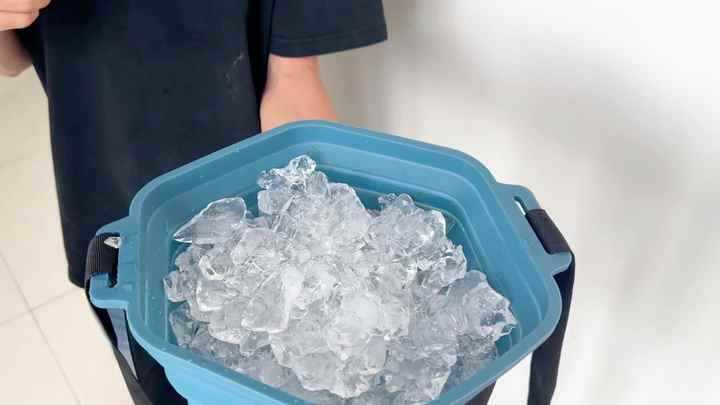
Temperature control is where I see the most avoidable frustration. I’ve run ice-only plunges, budget chillers, and higher-capacity systems over the years. Ice works in theory, but it becomes a chore fast. I remember coming off a heavy lower-body training block and realizing I was skipping plunges simply because I didn’t want to deal with ice runs. A stable chiller that held water within a narrow range solved that problem overnight. I don’t recommend undersized chillers. They struggle quietly, especially in warm spaces, and usually fail sooner than expected.
Covers are another accessory people underestimate. I skipped one in my early setups, assuming an indoor space would stay clean. It didn’t. Dust, sweat residue, and random debris showed up faster than I expected, and water quality suffered. A fitted, insulated cover reduced maintenance and stabilized temperature. Cheap covers tend to trap moisture or tear, creating more problems than they solve. A good cover is unremarkable—and that’s a compliment.
Entry and exit accessories matter more than people think. Cold water dulls coordination. I’ve seen strong, capable athletes misjudge a step out of a deep plunge after heavy training days. Stable steps and, in some cases, a handhold or rail significantly reduce that risk. If someone is plunging alone or dealing with joint stiffness, these accessories shift from optional to necessary.
Filtration and sanitation are where shortcuts usually backfire. I relied on frequent water changes for a long time. It worked until usage increased. I remember draining a tub one afternoon and realizing how much time I’d wasted refilling and resetting it every few days. A simple filtration system with UV or ozone extended water life without adding complexity. I tend to avoid multi-stage systems with proprietary chemicals and parts. If maintenance feels confusing, it won’t get done.
Seating and depth control accessories surprised me. I used to dismiss them until I started working with older clients and athletes coming back from knee and hip injuries. Giving them control over immersion depth kept them consistent instead of frustrated. I steer clear of padded inserts, though. They absorb water, degrade quickly, and become sanitation issues. Rigid, removable seating that rinses clean works far better.
There are also accessories I actively discourage. Floating scent additives foul filters. Decorative lighting designed for hot tubs doesn’t hold up in cold environments. Foam headrests break down and create hygiene problems. They look appealing but don’t solve real issues.
The setups that last aren’t the most elaborate. They’re the ones that remove friction and make cold exposure predictable. In my own practice and with the athletes I coach, the right accessories quietly support the habit. That’s the difference between trying cold plunging for a few weeks and making it a long-term part of recovery.