
I’ve worked in mold assessment and remediation across the Atlanta metro area for over ten years, and I hold certifications in mold inspection and applied structural drying. In that time, I’ve seen how quickly Georgia’s humidity can turn a minor moisture issue into a widespread contamination problem. When homeowners ask me where to begin, I often suggest starting with experienced local professionals such as Mold Treatment Atlanta, because effective remediation here requires a deep understanding of our climate, building styles, and common moisture patterns.
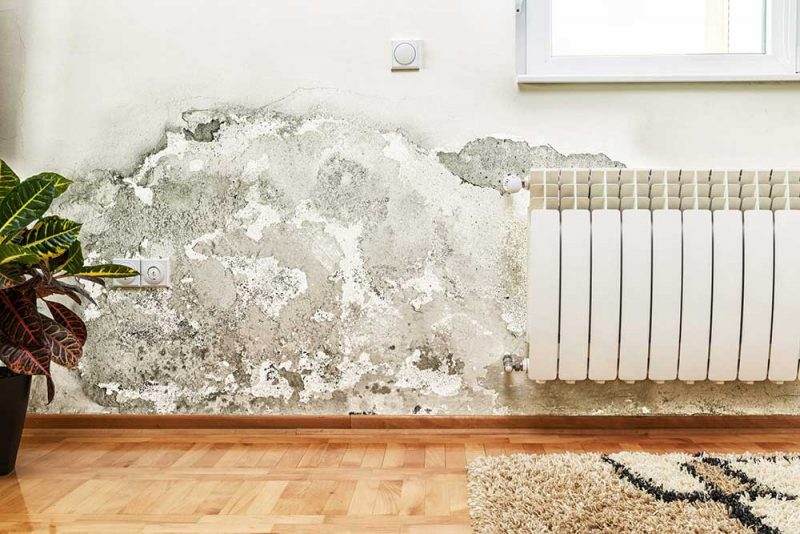
In my experience, the biggest problems often begin quietly. A homeowner contacted me last summer after noticing a persistent musty smell in her upstairs hallway. She assumed it was related to the HVAC system. When I inspected the attic, I found dark growth forming along the roof decking. The cause wasn’t a roof leak as she suspected. It was inadequate ventilation combined with heavy seasonal humidity. The attic insulation had been upgraded a year prior, but airflow had not been adjusted to compensate. That trapped moisture created the perfect environment for mold. We corrected the ventilation, treated the affected wood surfaces, and monitored humidity levels before closing everything back up. The odor disappeared within weeks.
Another situation that stands out involved a crawl space beneath a mid-century home. The homeowner had noticed slight warping in the hardwood floors but dismissed it as natural expansion. When I measured moisture levels under the house, they were far higher than acceptable. The soil was exposed, and condensation had formed along the joists. Mold growth had already started spreading across several beams. I’ve found that crawl spaces in Atlanta are one of the most overlooked sources of indoor air contamination. We installed a proper vapor barrier and dehumidification system before addressing the mold. If we had only treated the visible growth without stabilizing the environment, the problem would have returned.
One of the most common mistakes I encounter is homeowners attempting to resolve mold with household cleaners alone. I understand the instinct to save money. However, surface sprays rarely penetrate porous materials like drywall or subflooring. I once inspected a property where a previous DIY removal attempt had disturbed contaminated materials without containment. Spores had circulated through the home’s air system, leading to more widespread exposure. That remediation ultimately required more extensive work than the original isolated issue.
I don’t believe in creating unnecessary alarm. Not every dark spot is a dangerous infestation, and professional testing can clarify what you’re dealing with. But ignoring visible growth or persistent dampness is rarely a good decision in this region. Atlanta’s climate provides enough humidity that once mold establishes itself, it doesn’t need much encouragement to spread.
From my perspective, successful mold treatment isn’t about chemicals alone. It’s about identifying moisture sources, correcting ventilation or drainage problems, and removing compromised materials when necessary. I’ve seen homeowners spend several thousand dollars fixing recurring mold simply because the root cause was never addressed the first time.
After a decade of working inside attics, crawl spaces, and behind walls, I’ve come to respect how subtle mold problems can be. The key isn’t panic — it’s informed action. When moisture is controlled and remediation is handled thoroughly, homes can return to a stable, healthy condition that lasts.